
Marketing in the Era of Microtrends
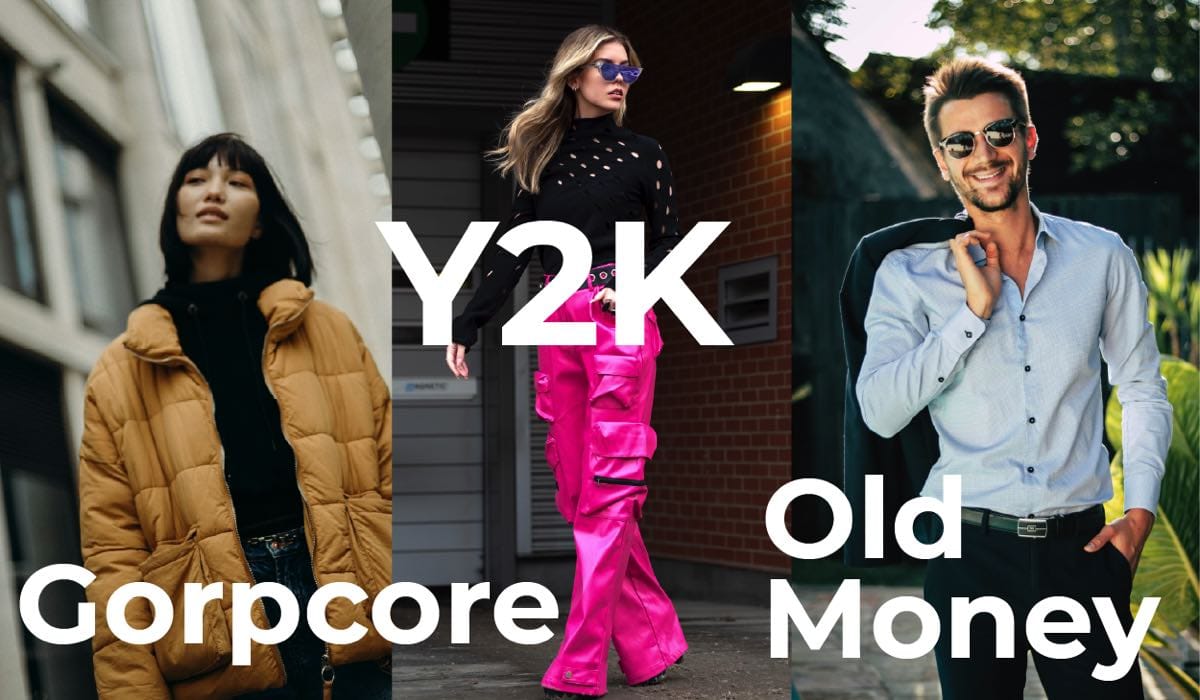
Y2K, Old Money, Gorpcore — these are just a few microtrends that captured consumer attention in the past year. If they don't sound familiar, don't worry. They might not have been trending long enough to be memorable. Microtrends emerge overnight and disappear just as quickly. As a result, agility and consistency have become essential traits for fashion retail digital marketers.
Driven by social media, influencer culture, and real-time consumer feedback, trends that once took seasons to evolve now shift in weeks (or even days). Marketers must respond in real time to align with trends while they’re still relevant. This means producing content faster, testing it more frequently, and accepting that campaigns might have a shorter shelf life.
When staying ahead isn't possible, monitoring engagement, customer search behavior, and cultural conversations can allow brands to identify rising microtrends and react. However, not every microtrend is right for every retailer. Jumping on a trend can appear inauthentic, so deciding when and how to react is essential.
Chasing trends can put fashion retailers at risk of losing a cohesive identity. Because microtrends are designed to be replaced, brands must ensure their identity is well-defined and consistent. When the current trends run their course, the brand must still be recognizable. Strong brand guidelines and consistent messaging can ensure a retailer doesn't lose its identity in the shifting tides.
Finding success in the era of microtrends requires a careful balance between speed and strategy. Fashion retailers that move quickly without compromising brand identity have a better chance of staying relevant long after fleeting trends fade.